
laminated glass partition
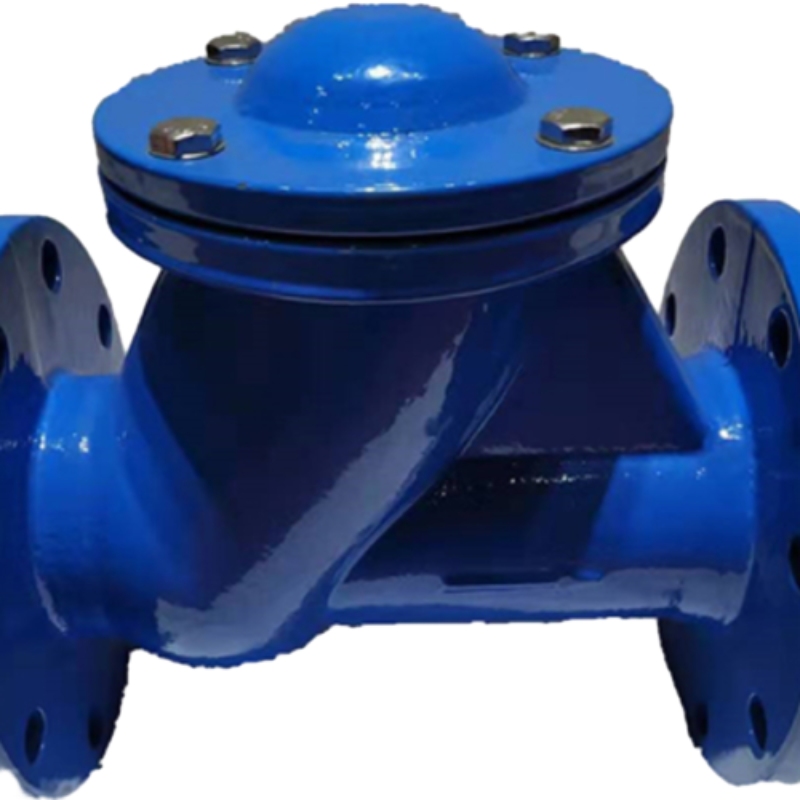
The Piston Lift Check Valve A Vital Component in Engine Efficiency In the intricate world of internal combustion engines, every component plays a crucial role in determining its overall performance and efficiency. One such integral part is the piston lift check valve, a seemingly small yet significantly impactful device that ensures smooth operation and prevents unwanted backflow within the engine's valvetrain. The primary function of the piston lift check valve is to regulate the flow of oil from the camshaft to the lifters. These lifters, in turn, are responsible for actuating the engine's valves, which open and close at precise intervals to allow the combustion process to occur. By controlling the flow of oil, the check valve helps maintain the correct oil pressure within the valvetrain, ensuring that the lifters can operate effectively without any interruptions or leaks. One of the key benefits of the piston lift check valve is its ability to prevent oil from flowing backward during the compression stroke. When the piston is moving upward, it creates a vacuum within the cylinder, which could potentially draw oil back into the valvetrain if not properly regulated. The check valve acts as a one-way barrier, allowing oil to flow forward but preventing it from flowing back, thus maintaining the necessary oil pressure and preventing premature wear on the valves and other valvetrain components The check valve acts as a one-way barrier, allowing oil to flow forward but preventing it from flowing back, thus maintaining the necessary oil pressure and preventing premature wear on the valves and other valvetrain components The check valve acts as a one-way barrier, allowing oil to flow forward but preventing it from flowing back, thus maintaining the necessary oil pressure and preventing premature wear on the valves and other valvetrain components The check valve acts as a one-way barrier, allowing oil to flow forward but preventing it from flowing back, thus maintaining the necessary oil pressure and preventing premature wear on the valves and other valvetrain components piston lift check valve . Another significant advantage of this valve is its durability and reliability. Made from high-quality materials and designed to withstand the extreme conditions within an engine, the check valve is built to last for the lifetime of the vehicle. Its simple design also means that it is relatively easy to maintain and replace if necessary, further adding to its cost-effectiveness. In conclusion, the piston lift check valve is a vital component in the efficient operation of an internal combustion engine. Its ability to regulate oil flow, prevent backflow, and ensure proper valvetrain function makes it an essential part of any vehicle's engine. By investing in high-quality check valves and maintaining them regularly, vehicle owners can enjoy improved engine performance, reduced wear and tear, and longer lasting engines.
about
laminated glass partition
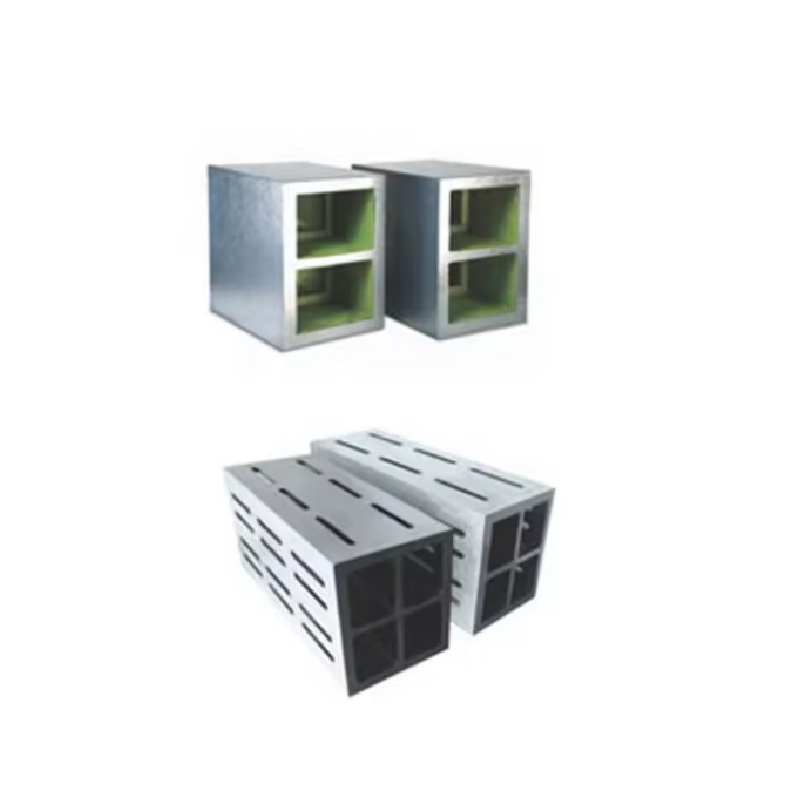
Understanding the 24 x 36 Surface Plate Importance and Applications In the realm of manufacturing and precision engineering, the surface plate serves as a fundamental tool for establishing a flat reference surface. A surface plate that measures 24 inches by 36 inches is a common size that strikes a balance between usability and versatility, making it an essential asset in various industries. This article delves into the significance, characteristics, and applications of the 24 x 36 surface plate. What is a Surface Plate? A surface plate is a flat, solid plate made from materials such as granite, cast iron, or steel, meticulously machined to achieve a high degree of flatness. The primary purpose of a surface plate is to provide a reliable base for measuring, testing, and inspecting the flatness of components, tools, or fixtures. Precision is paramount in manufacturing, and the surface plate aids in ensuring that products conform to specified tolerances. Importance of Flatness Flatness is a vital aspect of precision measurements in engineering. An uneven surface can lead to inaccuracies, which may cause catastrophic failures in manufactured products . With a 24 x 36 surface plate, engineers and technicians can perform measurements that are critical to ensuring the quality and reliability of parts. This surface eliminates variables in measurement by providing a stable reference that minimizes the risk of distortion and provides a consistent measuring environment. Key Characteristics 1. Material Most surface plates are made from granite or cast iron, with granite being favored for its resistance to wear and thermal stability. A granite surface plate is non-porous, which means it will not absorb liquids that could lead to corrosion or other forms of damage. 2. Surface Hardness A high level of hardness is essential to prevent wear during prolonged usage. Granite plates typically have a hardness rating of around 6-7 on the Mohs scale, which makes them ideal for heavy-duty applications. 3. Flatness Tolerance The flatness of a surface plate is meticulously measured and often rated according to industry standards. A precision surface plate should maintain a flatness tolerance of 0.0001 inches or better, depending on its classification. 24 x 36 surface plate 4. Size and Portability The 24 x 36 dimensions make this surface plate suitable for a variety of tasks without occupying too much workspace. Its manageable size allows for ease of transport and usage in different settings, from small workshops to larger manufacturing facilities. Applications The versatility of the 24 x 36 surface plate makes it suitable for numerous applications, including - Inspection and Measurement It serves as a primary tool for gauging the flatness of machined parts, ensuring they meet the necessary specifications before assembly. - Assembly Fixture Engineers can use the surface plate as a staging area for precision assembly, allowing them to align and fit components accurately without distortions that could arise from less stable surfaces. - Tool Calibration Precision measuring instruments, such as calipers and micrometers, can be calibrated against the surface plate, confirming their accuracy. - Manufacturing Setup In CNC machining and other automated processes, the surface plate can assist in setting up and leveling machinery, ensuring that operations proceed without unexpected deviations. Conclusion The 24 x 36 surface plate is an indispensable tool for ensuring precision in manufacturing and engineering fields. Its ability to provide an accurate reference surface cannot be overstated; it underpins vital processes from inspection to assembly and calibration. As industries continue to demand higher precision and quality, the role of surface plates in achieving these objectives will remain significant. Investing in a high-quality surface plate is a decision that pays dividends in accuracy, reliability, and ultimately, product quality.
-

High quality industrial productsagement

High quality industrial products
View Details -

Meet the diverse needs of customers

Meet the diverse needs of customers
View Details -

Strict quality control

Strict quality control
View Details -

Top raw materials

Top raw materials
View Details -

Trusted supplier

Trusted supplier
View Details
Our application


news and information

water check valve
Understanding Water Check Valves Function, Types, and Importance Water check valves play a crucial r
Water valve issues preventing proper shut off and causing leaks in the system
Troubleshooting a Water Valve That Won't Shut Off Dealing with plumbing issues can be a homeowner's
Y Type Strainer Function
In the world of fluid mechanics and piping systems, maintaining the efficiency and longevity of equi
 English